In 2026, Honkai: Star Rail remains one of the most polished turn-based RPGs I play, but its onboarding still has a vocabulary problem. New Trailblazers can clear the first planet without understanding half of what veterans say in chat. I have watched that confusion turn into wasted resources, missed events, and unnecessary anxiety. The reference guide I keep returning to divides the game’s language into eight buckets: currency, account information, character, progression, equipment, combat, object, and miscellaneous. I use the same structure below because it matches the order in which most players actually meet these terms.

Currency: The Words Behind Every Pull 💎
Currency terms are the first wall I see new players hit. Stellar Jade is the free-to-earn currency that fuels warps, while Oneiric Shards are the paid equivalent. Credits are the everyday money I spend on character and Light Cone upgrades. Star Rail Passes are the tickets that actually perform a warp, and I always remind newcomers not to confuse a pass with the currency that buys it. If a term sounds like a gemstone, a ticket, or a coin, it probably belongs in this bucket.
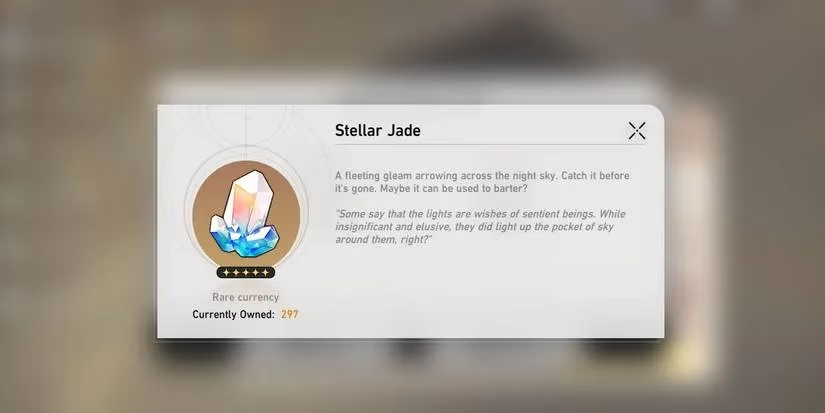
Account Information: The Numbers That Gate My Progress 📊
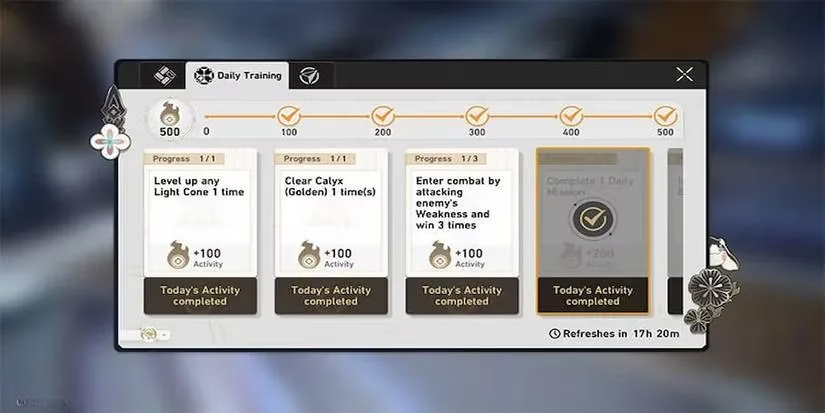
Account information is where I separate personal progress from character progress. Trailblazer Level is my account-wide rank. Equilibrium Level controls difficulty and reward tiers, and I usually advise players to raise it only after their main team feels comfortable. Trailblaze Power is the stamina system that limits how often I can farm. Daily Training is the routine checklist that keeps my account moving. These terms matter because they describe the pace of the whole account, not the strength of one hero.
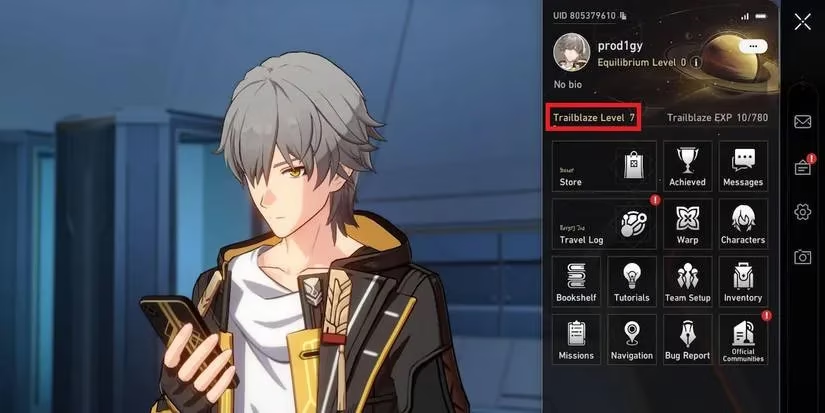
Character: Identity Before Investment 🧑🚀
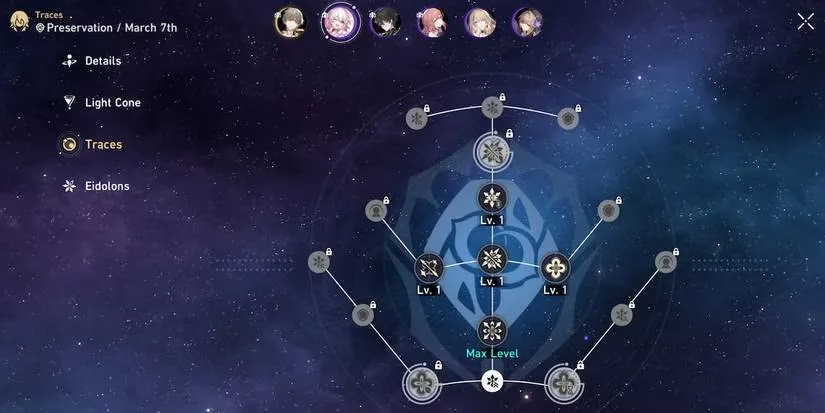
Character terms describe who a unit is. Path and Element are not cosmetic labels; they shape team building and combat roles. Eidolons are duplicate-based upgrades, and I tell new players to treat them as long-term bonuses rather than requirements. Traces are a character’s skill tree, and they deserve attention before Relic farming. I separate character identity from character investment because the game constantly mixes the two.
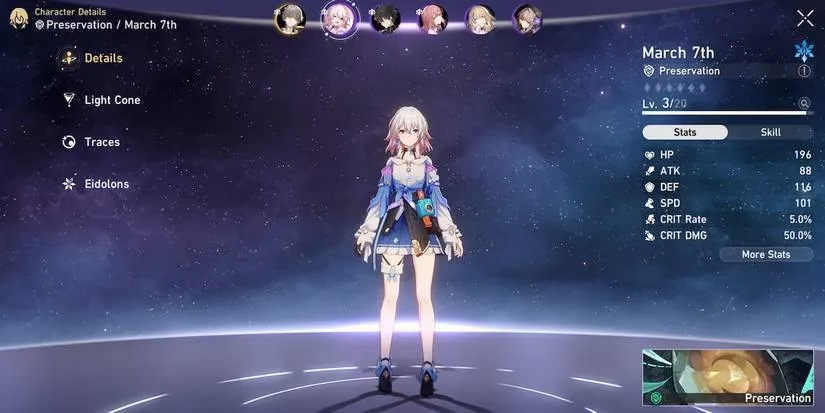
Progression: The Long Upgrade Road 📈
Progression terms cover how a character grows. Ascension raises level caps. Trace levels improve specific abilities. Equilibrium Level affects the whole account’s farming loop. I use this bucket to explain why a high-level character can still feel weak: levels, Traces, Light Cones, and Relics all contribute. In 2026, the vocabulary is stable, but the lesson is the same. Broad progression beats panic spending.
Equipment: Light Cones and Relics ⚙️
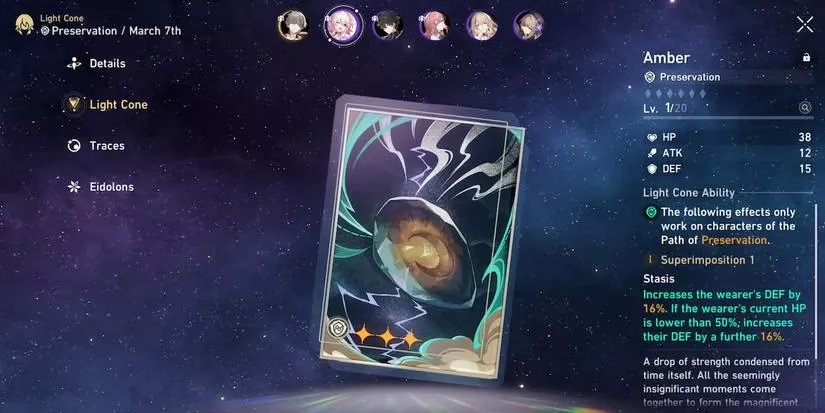
Equipment terms are where I see the most avoidable mistakes. A Light Cone is a character’s weapon. Relics are gear pieces with set bonuses. Planar Ornaments fill the second Relic slot group. Superimposition improves a Light Cone using duplicates. I tell players to learn these words early because equipment explains a huge share of a character’s damage, survivability, and speed tuning.
Combat: The Language of the Turn ⚔️
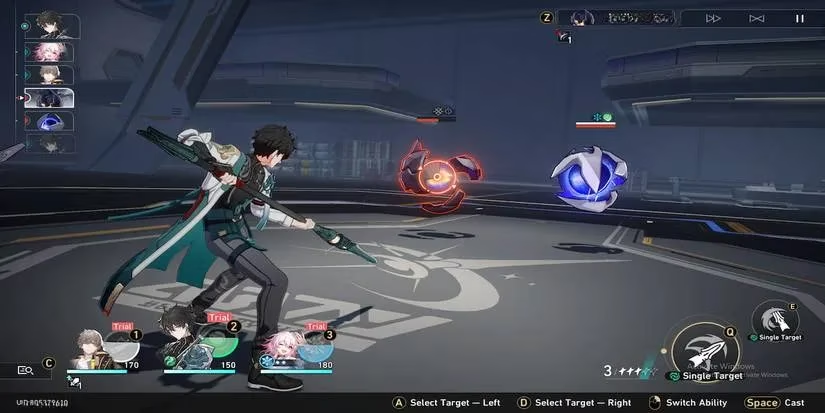
Combat terms describe what happens inside a fight. Toughness and Weakness Break are central. Break Effect rewards breaking enemies efficiently. Skill Points are the shared team resource, and Energy feeds Ultimates. Follow-up attacks and damage over time are separate mechanics that often appear in team-building advice. When I coach new players, I ask them to watch the turn order and the Skill Point counter before they worry about advanced damage formulas.
Object: The Things I Pick Up 🎒
Object terms cover items and interactive elements. Consumables, mission items, and Curios in roguelike modes all live here. I have seen players ignore object vocabulary until an event asks them to use a specific item. The Rating Pistol image in my reference notes is a good reminder that some objects are playful, but they still have rules. Read item text. It saves time.

Miscellaneous: The Live-Service Layer 🗓️
Miscellaneous terms cover daily missions, events, achievements, and other live-service language. Daily Missions are the small routine tasks that add up. Events rotate and often introduce temporary vocabulary. I treat this bucket as the game’s calendar layer. It is not glamorous, but it keeps my account healthy.
| Term | Bucket | What I tell newcomers |
|---|---|---|
| Stellar Jade | Currency | Free warp currency; save it for banners you actually want. |
| Trailblaze Power | Account | Stamina; spend it before it caps. |
| Eidolon | Character | Duplicate upgrade; useful, not mandatory. |
| Trace | Progression | Skill tree investment; do not ignore it. |
| Light Cone | Equipment | Weapon equivalent; check the Path requirement. |
| Weakness Break | Combat | Breaking Toughness delays enemies and enables bonus damage. |
| Curio | Object | Roguelike item with a passive effect. |
| Daily Mission | Miscellaneous | Routine task for steady rewards. |
My 2026 advice is simple. Learn the eight buckets, ask what a term affects, and spend resources only when the answer is clear. Honkai: Star Rail rewards patience more than jargon. Once the vocabulary clicks, the game becomes much easier to enjoy. 🚂